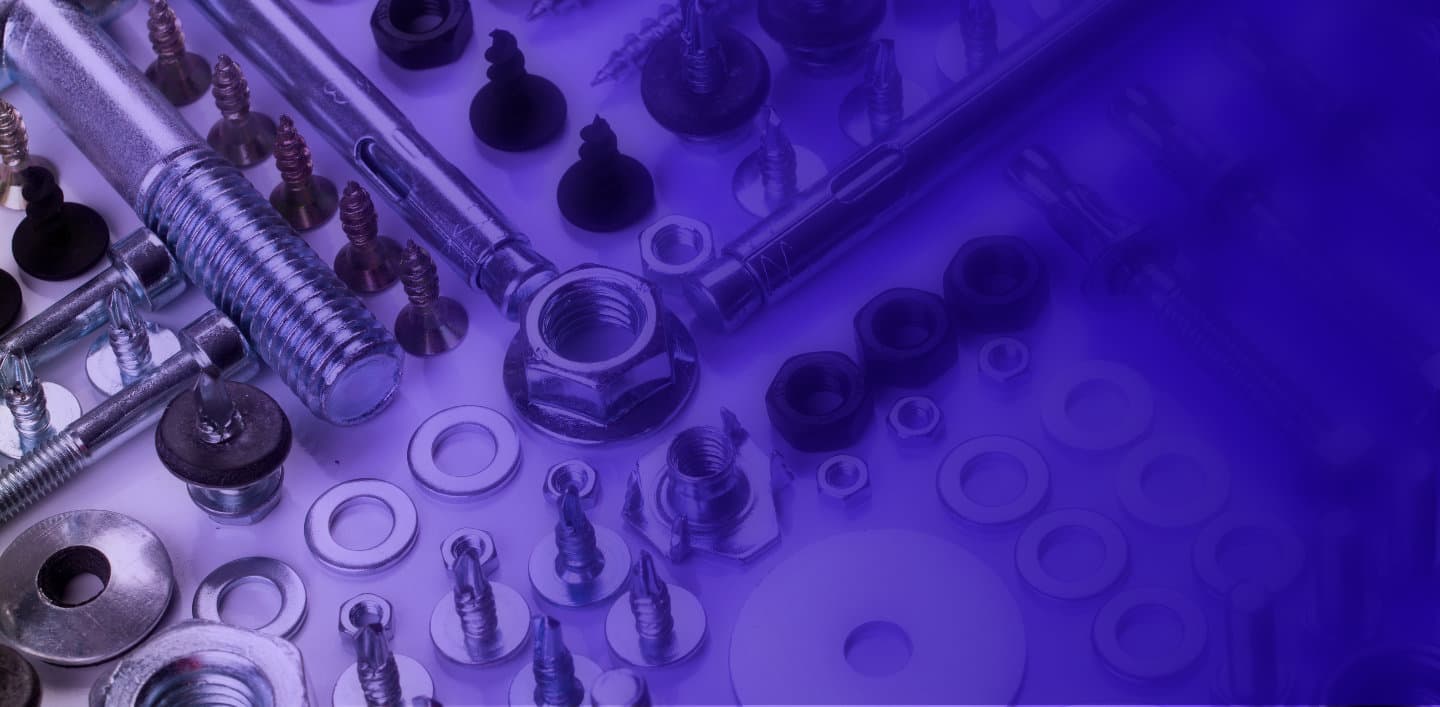
Pre-treatment is a very important step in the electroplating process. Oils and greases are used in the manufacture of components to facilitate the machining of workpieces and to provide temporary protection for metal surfaces against corrosion.
Before electroplating, oils and greases must be removed from the workpiece to be electroplated, as residues can lead to coating defects. Thorough pre-treatment is an important prerequisite for high-quality coating. Depending on the process sequence, pre-treatment may also involve several process steps.
In this process group, Schlötter offers boiling or hot degreasing, electrolytic degreasing for a variety of base materials such as steel, copper and brass, as well as pre-treatment for aluminium and die-cast zinc.
Acidic process for removing rust, scale and oxide layers with simultaneous oil/grease removal.
Complexing agent-free, recyclable spray process for demetallizing metal resist tin layers.
Creates a zinc layer on aluminium and aluminium alloys in a cyanide-free immersion process as a basis for further coating.
Preferred use is in pre-treatment series where degreasing and pickling must be carried out simultaneously and where there is no pre-degreasing bath.
Strongly alkaline cleaner for flood and electrolytic degreasing of steel surfaces. Caustic soda must be provided by the user.
We deliver long-lasting surface-engineering solutions that combine effective corrosion protection with a wide spectrum of functional and decorative properties for ferrous structural components.
Our integrated finishing systems are designed to ensure reliable, high-level component performance throughout their service life, even under severe mechanical and environmental exposure.
For steel and other ferrous substrates, electroplated zinc and zinc-alloy coatings represent one of the most effective and widely applied methods of corrosion protection across multiple industries.
Schlötter offers a complete portfolio of zinc systems, including cyanide-based, alkaline cyanide-free, and weakly acidic processes with or without boric acid, as well as zinc-iron and zinc-nickel alloy processes in both alkaline and weakly acidic variants.
In addition, Schlötter provides a weakly acidic tin-zinc alloy process to address specific functional and regulatory requirements.
Alkaline, cyanide-free electrolyte with excellent metal distribution and adhesion for barrel and rack parts with a high degree of gloss.
Weakly acidic rack and barrel electrolyte with high brilliance and excellent gloss depth throwing power.
The bright zinc bath is a boric acid-free, weakly acidic electrolyte with high brilliance, excellent gloss depth dispersion, ductility and good passivation of the coatings.
The process is suitable for rack and barrel coating, as well as for coating zinc die-castings.
The patented zinc-nickel alloy bath is an alkaline process which is operated with the special anode VX 1 and deposits layers with a nickel content of 12–15% by weight.
The electrolyte has good metal distribution and a constant alloy composition over a wide current density range.
Passivation plays a key role in the surface treatment of zinc and zinc-alloy components.
Our passivations for zinc & zinc alloys (based on trivalent chromium) protect zinc coatings and thus optimises the corrosion resistance of the coating systems. Different colours (black, blue, violet, iridescent) enable colour coding of the coated parts.
Fluoride-containing transparent passivation for zinc-nickel alloy coatings with a stainless steel-like appearance.
Cobalt-free passivation for zinc-nickel alloy coatings, which produces a colourful iridescent coating with good corrosion resistance.
Cobalt- and fluoride-free transparent passivation for zinc-nickel alloy layers.
Passivation is a chromium(VI) and cobalt-free thick-film passivation for electroplated zinc and zinc-iron layers with an alloy content of 0.2–0.4% iron by weight, which forms faint bluish-yellowish-greenish layers.
The black passivation contains Cr(III) compounds and is free of fluoride and cobalt. Uniform black, slightly iridescent passivation layers are produced on zinc-nickel layers.
Applied as the final step in anti-corrosion finishing, sealers significantly boost corrosion protection modify functional characteristics including friction behaviour and contribute to an improved decorative finish.
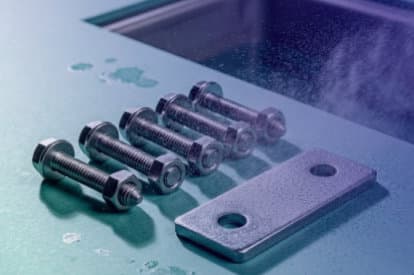
Is a sealer which is applied by immersion or in centrifuges on passivated or chromated zinc alloy coatings. It serves primarily to produce a defined coefficient of friction on screw heads.
Sealant with very good corrosion protection on the basis of polysilicate with an integrated lubricant.
For chromated or passivated zinc and zinc alloys containing nano sized silicon compounds. It gives a clear, transparent surface film after drying and increases corrosion protection and optical appearance.
Our aluminium surface treatment portfolio covers a wide range from established processing technologies to customized chemical solutions designed to enhance the performance and visual quality of complex aluminium alloys.
A comprehensive range of surface conditioning products ensures optimal surface cleanliness across all aluminium finishing operations. Brightening and etching additives, available in formulations ranging from strongly alkaline to highly acidic, allow precise control of the desired surface gloss.
Advanced agents effectively remove smut even from challenging aluminium alloys and cast materials preparing the surface for subsequent anodizing or conversion coating processes.
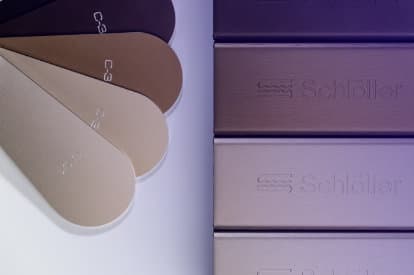
Mild alkaline, robust degreasing for dip cleaning of aluminium and its alloys.
Removal of machining oils, drawing lubricants, as well as brushing and polishing compounds.
Ultrasonic support if required (for polishing compounds), for easy handling with a wide operating temperature range and universally applicable.
Alkaline chemical etching solution for aluminium based on sodium hydroxide. Special organic oxidizing agents and complexing agents prevent scale formation even at very high aluminium concentrations.
Can be used as E0 and E6 etching additive with an extremely long bath lifetime. Free of nitrate, nitrite, chlorate and chloride. Environmentally friendly, biodegradable additive. Prevents accumulation of metals such as zinc, iron, etc.
Modified GS electrolyte. Prevents “burning” defects at elevated temperatures. Direct current / sulfuric acid electrolyte also as Standard anodizing and hard anodizing. Reduction of sulfuric acid consumption therefore also reduced load on the wastewater treatment system.
Extended operating temperature range with a longer service life of the GS electrolyte. Reduction of the re-dissolution of the anodic oxide layer by sulfuric acid.
Chromium(VI)-free passivation for improving corrosion protection and adhesion for subsequent painting on aluminium base material.
Liquid concentrate based on Cr(III) and Zr use for Dip, spray and wipe application methods. Produces a colourless to slightly yellow iridescent visible layer with a easy handling.
Designed for the future and demanding applications, our hard chrome processes based on chromium trivalent Cr(III) offer outstanding efficiency, strong adhesion, and uniform coverage on multiple metal substrates, delivering long-term reliability and confidence in operation.
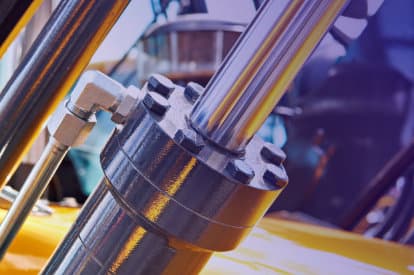
Functional chrome layers with thicknesses of up to over 100 μm can be deposited. The electrolyte works on the basis of Cr(III) compounds. The deposited chrome layers are bright and the scattering and covering capacity is comparable to Cr(VI) coatings.
The Chrome-layer shows the well-known macro crack formation, which requires a nickel undercoat to ensure adequate corrosion protection.
Functional chromium coatings with trivalent chromium (Cr(III)) electrolyte technology.
The process is entirely NICKEL-FREE and NO PFOS/PFAS substances. It produces bright, high-quality chromium layers with exceptional throwing power setting a new industry benchmark. Environmentally friendly, biodegradable additive. Prevents accumulation of metals such as zinc, iron, etc.
The deposited chromium layer is highly uniform and exhibits a significantly reduced micro-crack density making a nickel underlayer for protection unnecessary.
As the FIRST ELECTROLYTE available on the market with this level of innovative performance it opens up substantially greater flexibility for plating shops, allowing them to avoid cost-intensive and time-consuming authorization and approval procedures typically associated with conventional hard-chrome processes.
Schlötter invention is safeguarded by patent protection, ensuring exclusivity and called APEXCHROME™.
The 3° generation of hard chrome plating technology developed for functional applications, designed as a sustainable innovation to traditional processes on the market.
The process allows for high-performance coatings in terms of hardness, wear resistance and surface quality with reduced environmental impact and compliance with the most restrictive regulations, supporting modern and sustainability-oriented galvanic lines.
In chemical nickel plating, the coating is deposited on the component without the use of electricity. Chemical nickel is particularly suitable for components with complex geometries, as this process allows for the deposition of uniform coatings that closely follow the contours of the component.
Phosphorus incorporation rates in the range of 6–12% ensure different coating properties. Schlötter offers a wide range of high, medium and low phosphorus processes (NiP) as well as dispersion deposits.
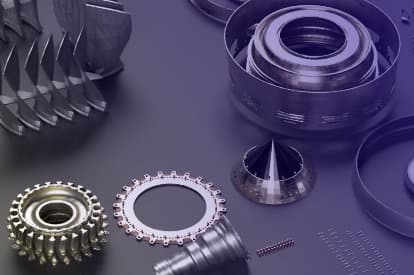
All-round process with combined additive system for deposits with 6–9% phosphorus by weight at a high deposition rate of approx. 18–20 µm.
Ionogenic palladium-containing activator for activating non-conductors for subsequent chemical metal deposition.
Process for spot nickel plating aluminium or aluminium alloys after zinc pickling.
The nickel-phosphorus layers deposited from the chemical nickel bath are light in colour, semi-gloss to glossy, and contain 2–4% phosphorus. They are free of lead and cadmium and therefore RoHS-compliant.
Nickel-phosphorus layers deposited from the chemical nickel bath are light in colour, semi-gloss to glossy, and contain > 10.5 - 12% phosphorus. The deposition rate is approx. 10 - 13 μm/h.
Process for depositing nickel-phosphorus layers with 6–9% phosphorus by weight at low temperature (80°C).
The chemical nickel bath is an electrolyte for the electroless deposition of nickel-phosphorus coatings, specifically for the ENIG process (electroless nickel-immersion gold).

We are a family-run innovative chemical and electroplating business with over 110 years of experience in products, processes and solutions for surface finishing.